Preparing Your Homeschool for a Great Family Vacation
As an Amazon Associate I earn from qualifying purchases.
These tips can help prepare your homeschool for a great family vacation.
As an Amazon Associate I earn from qualifying purchases.
Homeschooling During Vacation: Tips for Families
This vacation season, embrace spontaneity through unexpected learning opportunities. Many items in a vacation itinerary hold endless possibilities. Farmers markets can teach children about economics, food systems, and agriculture. Historical sites can teach history, of course, but many consist of architectural lessons waiting to be had. Nature centers can teach your children about animals, ecosystems, and conservation.
The best part is that most of these resources are free, or nearly free. If all else fails, look for the nearest local library or spend the afternoon at a state park. These options are almost always open, and children of all ages will enjoy exploring them.
Planning Educational Activities Ahead of Time
When considering how to homeschool while traveling, you’ll find that a little research goes a long way. Once I have my destination picked, I take time to look up landmarks, historical sites, museums, nature centers, and even festivals. This works best when I also involve my children and ask them what they want to learn about. In the past, I’ve had them create a bucket list with various activities to check off.
If you can, match your activities to your current family studies. For example, if you’re studying American history, you can visit museums. If you’re studying mammals, visit the zoo. Many businesses offer homeschoolers perks such as discounted admission fees, special tours, and presentations. Be sure to ask around and see what experiences are available to you! If you are planning a trip to a major theme park, check out these 6 Tips For Saving Money During Your Disney World Vacation to keep your budget in check.
Remember that when scouting out family travel learning activities, it’s better to keep your plans flexible. There are times when exhibits are not open, kids are tired, or your mood shifts. Keep your plans loose rather than scheduling every minute; that kind of pressure can easily lead to education overload.
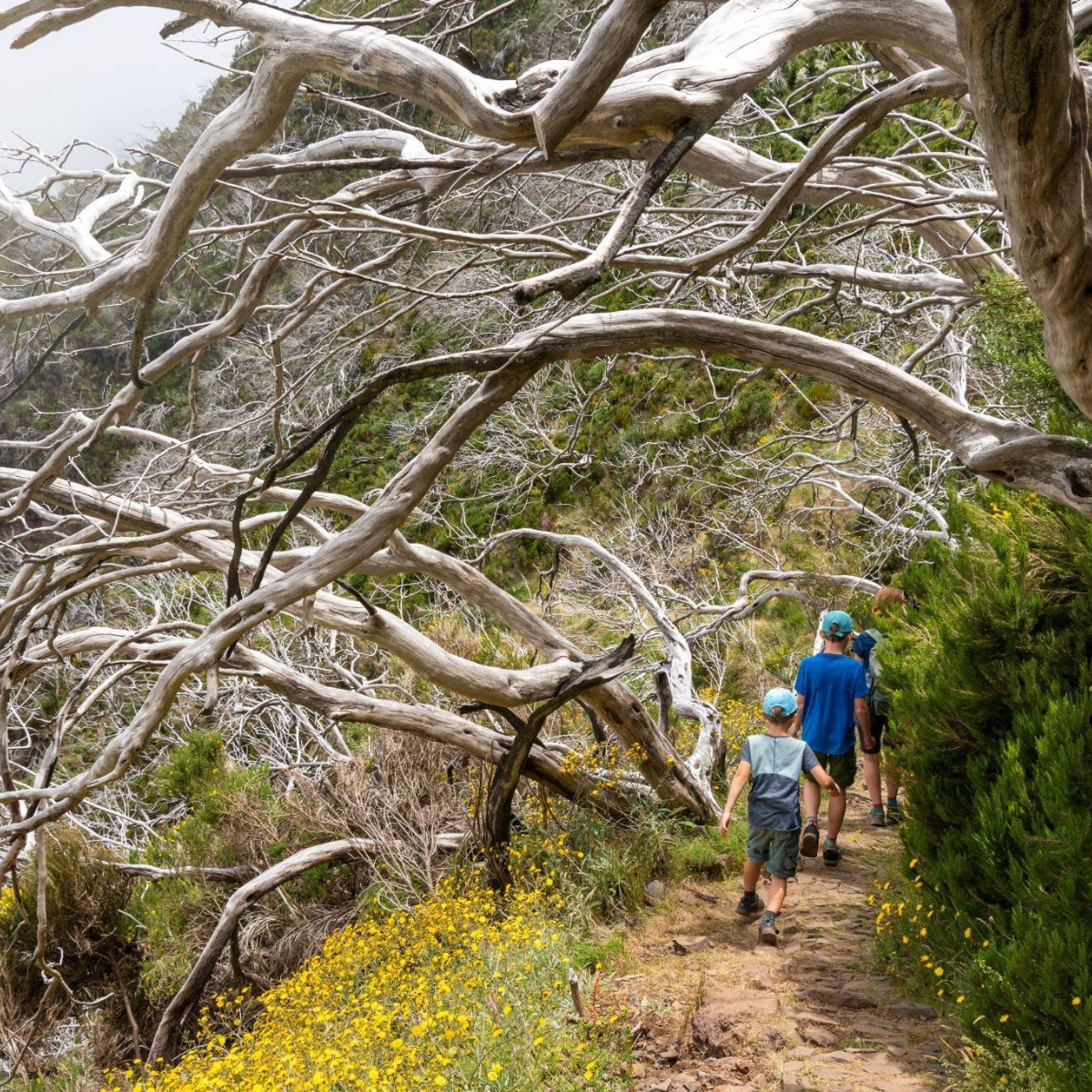
Incorporating Learning Into Travel
Learning can organically happen during flights, drives, or even long walks. There are so many fun ways you can “trick” your students into an educational moment without ruining the fun of vacationing.
These simple swaps make teaching on the go feel effortless rather than forced.
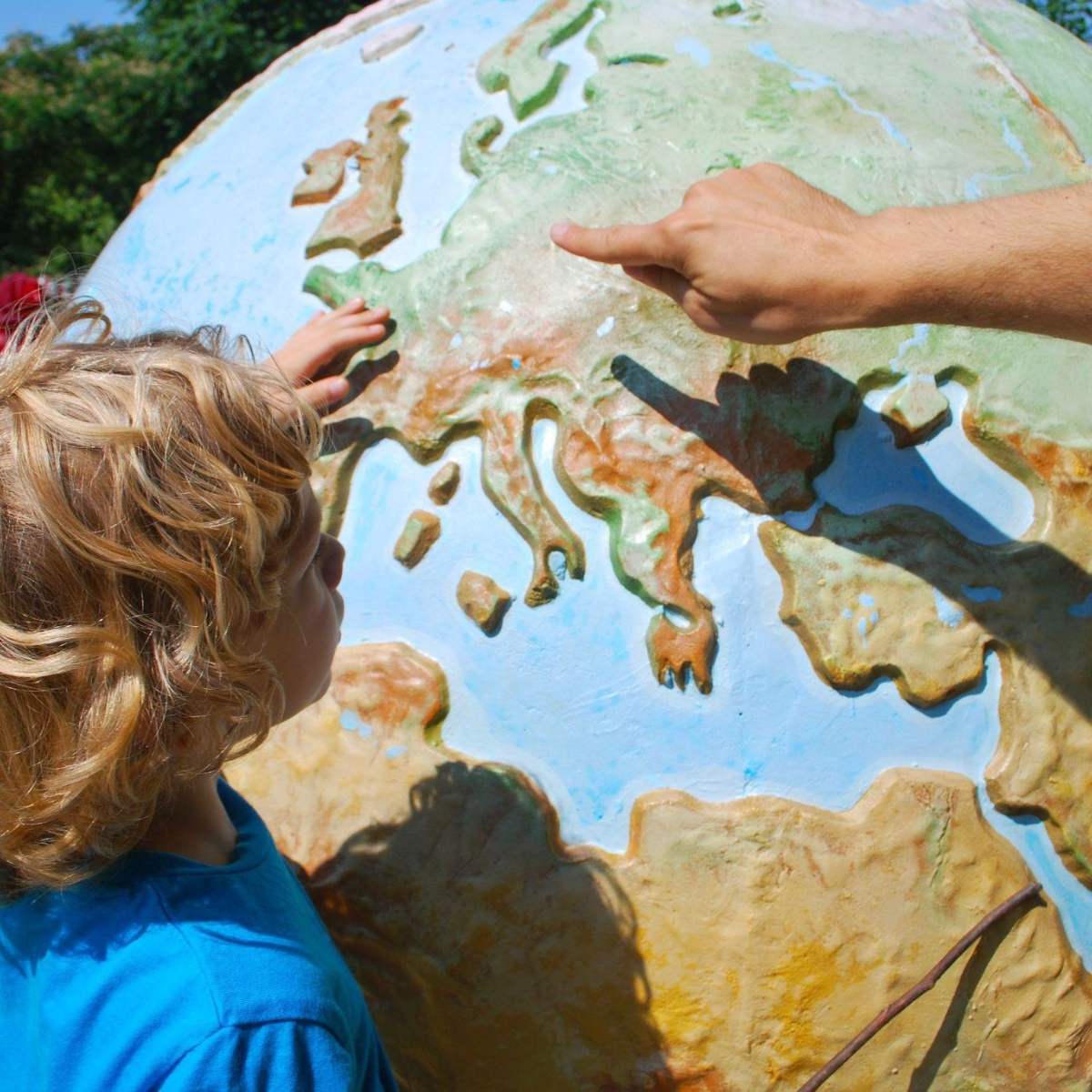
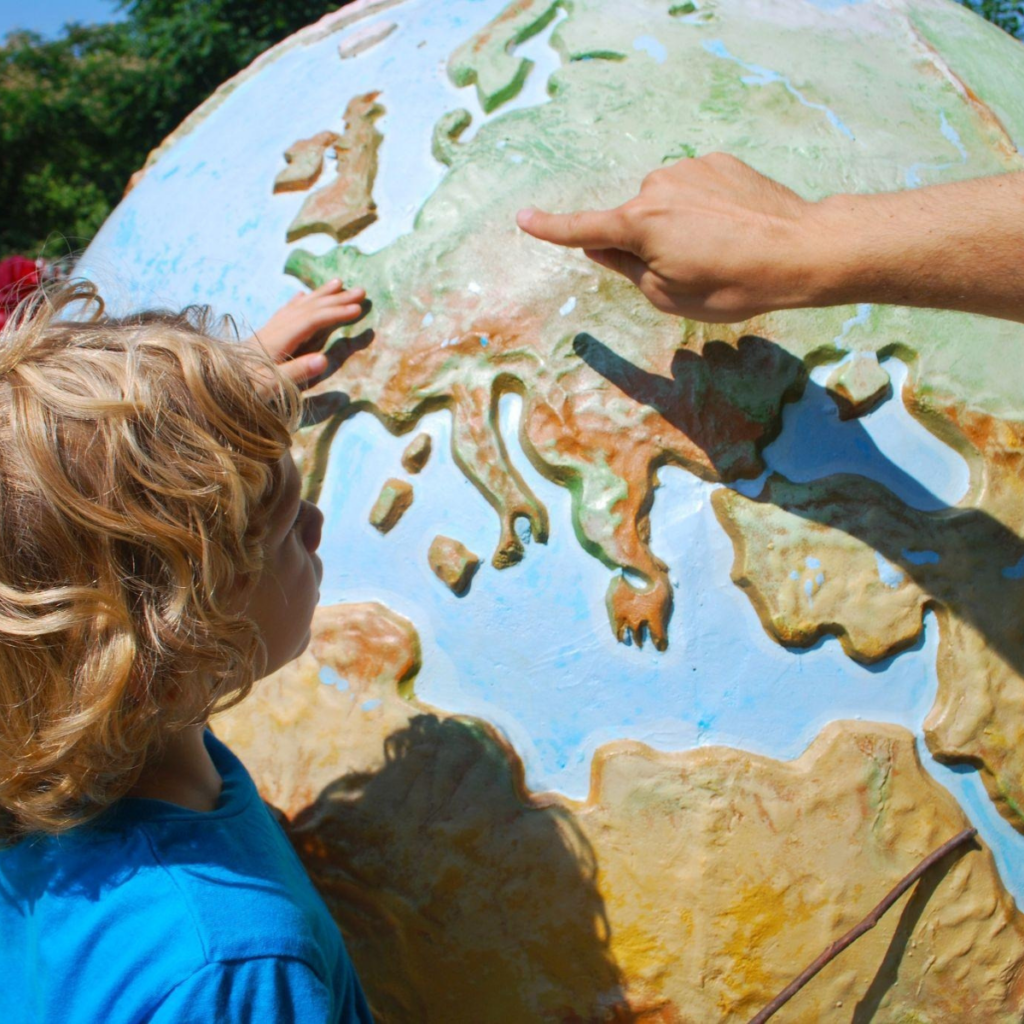
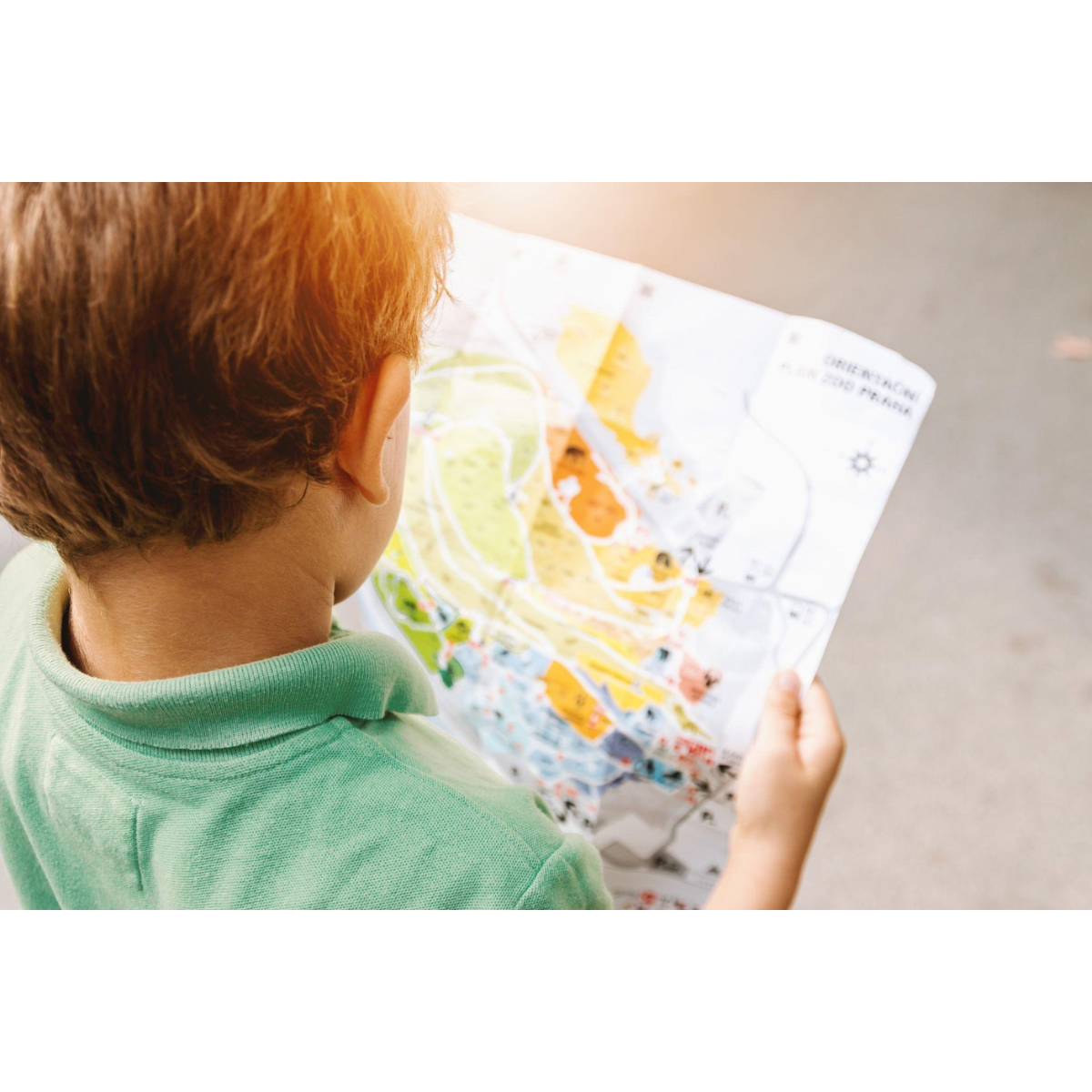
- Geography: Have your children locate places on a map or spot landmarks from the airplane window.
- Math: Let kids help create a trip budget, calculate gas mileage, or compare the cost of activities.
- History: Research famous historical figures connected to your destination before or during the drive.
- Reading: Play audiobooks in the car or pack a few library books for downtime.
- Science: Go on a nature walk and identify plants, animals, or insects along the way. (The free Seek app makes this extra fun.)
Chances are, your children will not even realize that they’re learning, and you will see them refer to these “vacation concepts” time and time again.
DIY Homeschool Vacation Activities for Kids on the Go
There are plenty of pricey tools for budget-friendly travel homeschooling, but you don’t need expensive items to make an impact. Here are some simple things you can do to boost your child’s learning while on the road. Remember that you can purchase notebooks, drawing utensils, and even activity books at Dollar Tree for less than $2.
Supplies Needed
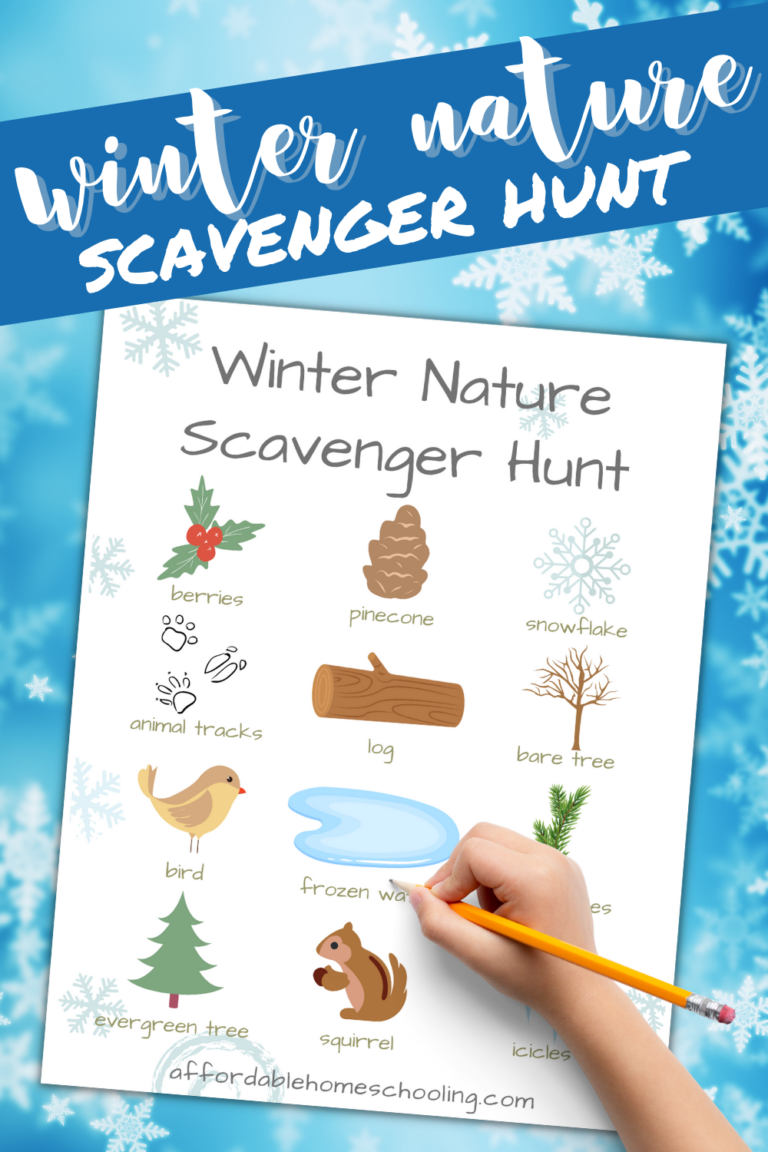
Create a simple travel kit by packing a notebook, pencils, crayons or colored pencils, and state maps. You can also include printables, such as homemade BINGO cards, scavenger hunts, and license plate searches. You can also research educational apps to supplement your learning, such as Seek, which helps you identify new plants, animals, and bugs. If your children have tablets, now is the time to stock them up with fun documentaries, educational games, and eBooks. If you prefer a screen-free experience, stock up on workbooks from Dollar Tree, which are less academically rigorous yet still help keep skills sharp.
Travel Journal
Using your simple travel kit, have your students keep a travel journal. This is an excellent way to practice creative writing and give them a chance to document family memories. Have them record favorite landmarks and observations. Older children can create written entries, while younger children can draw. To mix things up, have your children create a comic, write a short story from another point of view, or even glue ticket stubs to their journal pages.
Vacation Nature Study
Schedule time in nature, where your children can study birds, flowers, and plants. A new zip code is the perfect excuse to learn about a new climate, and it’s a nearly free activity perfect for budget-friendly travel homeschooling.
To keep things feeling fresh, explore an area you don’t usually visit. Try a beach, dense forest, rock quarry, or creek.
Book Reports
A long car ride is a wonderful time to consume literature you may not otherwise have time for. If you want a theatrical performance that will save your voice, try audiobooks or even a reader’s theater. You can also read the book yourself if you have the bandwidth. Once the book is done, your children can give a short oral narration of what happened in the story.
Photo Challenge
If budget allows, give each child a camera and a checklist of photos to take. Include items like something surprising, something beautiful, something delicious, and something exciting. This is a great way to teach your children about photography and develop their observation skills. Continue the learning once they’re home by having each child develop (or upload) their photos and create a scrapbook.
If you’re looking for ways to teach your children patience during slower travel moments, that skill pairs beautifully with the kind of observation-based activities a photo challenge or nature study requires.
Using Local Resources for Unexpected Learning
This vacation season, embrace spontaneity through unexpected learning opportunities. Many items in a vacation itinerary hold endless possibilities. Farmers markets can teach children about economics, food systems, and agriculture. Historical sites can teach history, of course, but many consist of architectural lessons waiting to be had. Nature centers can teach your children about animals, ecosystems, and conservation.
The best part is that most of these resources are free, or nearly free. If all else fails, look for the nearest local library or spend the afternoon at a state park. These options are almost always open, and children of all ages will enjoy exploring them.
Encouraging Family Bonding Through Learning
Remember that vacation learning isn’t always academically centered. Creating strong family bonds is the biggest benefit of homeschooling, and homeschooling during vacation is no exception.
You can strengthen your family culture (and learn something new!) by playing educational games, having in-depth discussions, sharing your favorite discoveries, trying new foods, and even learning words from a new language if vacationing abroad. If you’re looking for even more ideas to spark connection, this roundup of family activities perfect for simple family fun is a great place to start. The sky is the limit, and only you know what best bonds your family.
FAQs
The last thing anyone wants to bring on vacation is their full set of curriculum! And seeing a suitcase of schoolbooks will probably distract your children from any real learning opportunities. Instead, focus on finding organic learning opportunities through experiences, conversations, and explorations. Ahead of time, do your research to find educational points to weave into the activities naturally.
Low-cost (or free) things can be some of the best homeschool vacation activities. Often, this involves thinking like a local and avoiding tourist hot spots, which are notoriously overpriced. Scout out farmers’ markets, which are usually free to explore, or visit local libraries, which are also free. Take a walk downtown to host a scavenger hunt and discover beautiful architecture. Local museums can also be a good investment, especially if they’re low-cost. Be sure to ask if there are any educational discounts for homeschoolers.
Family vacations are important for parents, too. To ensure that you get the rest you need, keep your learning goals light. Aim for one educational experience a day, with plenty of room for spontaneous learning opportunities. That way, you feel refreshed and ready to tackle the next season of homeschooling.
Ideal resources for educational travel include low-cost or free maps, which can teach geography. If you don’t mind a little screen time, educational apps can be a great resource. PBS Kids offers free games and educational television shows with good values. If you’re visiting a new country, the Duolingo app will help older children learn a new language. Google’s apps are also free, including Google Earth, which can help children explore new terrain, and Google Translate, which can translate signs and conversations.
Aside from that, each town usually has a visitor’s center, with intel on free park programs, educational classes and tours, and hidden gems.
Most summer vacation homeschooling ideas are simple, meaning you don’t have to add to your luggage bill. Pack notebooks, pencils, clipboards, drawing utensils, a couple of fun books, and maybe some educational printables about the places you’re going.
Keep in mind that if you’re exploring outside, you can make your experience better by packing appropriate clothing, insect repellent, water bottles, and sun protection. A little preparation can save your family a lot of discomfort.
Keep Learning Alive All Year Long
Homeschooling during vacation doesn’t have to mean sticking to a strict schedule or trying to recreate your usual homeschooling routine. Vacation is still vacation and should be treated as a time to rest and renew. Remember, your children also need a break, and switching up your learning style is helpful as their brains develop.
Some of the most meaningful learning experiences will happen organically as you chat, eat, and explore. The goal isn’t to check off every subject while you’re away, but to naturally create learning experiences as you relax. Learning happens far beyond the homeschool room, and with a little flexibility, homeschooling on vacation can be one of the best parts of the year.