Affordable Summer Science Projects to Keep Kids Engaged
As an Amazon Associate I earn from qualifying purchases.
I always seem to forget that before we settle into a summer rhythm, the transition from school-year structure to summertime freedom can get a little bumpy – (It’s only June, and I’m already feeling it).
One way I like to introduce a little structure and predictability into our summer days is by spending a bit of time on each subject, like science, math, and writing, around the same time every day.
Science is always a hit in our house, so we started incorporating a “science hour” (or sometimes a science 15 minutes…) right during those mid-afternoon hours when things tend to start going a little off the rails.
Disclaimer: This article may contain commission, paid partnerships, or affiliate links. We independently review everything we recommend. When you buy through our links, we may earn a commission from qualifying purchases.
There are millions of science experiments to explore online, which makes planning easy. To help you get started, I’ve included a few of our favorite affordable summer science projects that don’t require a fully stocked craft room or a giant Amazon order. Try adding a few of these to your summer routine. They might just help bring a little calm to those long summer days while you work on finding your family’s rhythm.
Why Hands-On Science Works (Even on a Tight Budget)
Most kids love a good science experiment. The anticipation and the feeling of not knowing exactly what will happen next are half the fun. Never mind the sensory experience that comes along with slime, water, mud, baking soda, and all the other messy things kids love.
This is what makes science such a great activity for the whole family. Everyone gets to make a prediction, learn a little about the science behind the lesson, and then watch it unfold right in front of them. Younger children can enjoy the hands-on experience, while older kids can take the learning as far and as deep as they’re interested in exploring.
Another benefit is that you’ll eventually realize you don’t need the latest STEM kit to experience the benefits of fun summer learning activities. Some of our favorite experiments have been the simplest ones. Science can be affordable, easy to set up, and customized to fit your family’s unique season of life.
Top Affordable Summer Science Projects
Not sure which affordable STEM activities for summer are right for your family? Here are some easy ideas you can try. Every child has unique interests and skill sets, so we’ve included a variety of options that are under $10 to recreate.
Project 1: Kitchen Science Experiments (Free, No Prep)
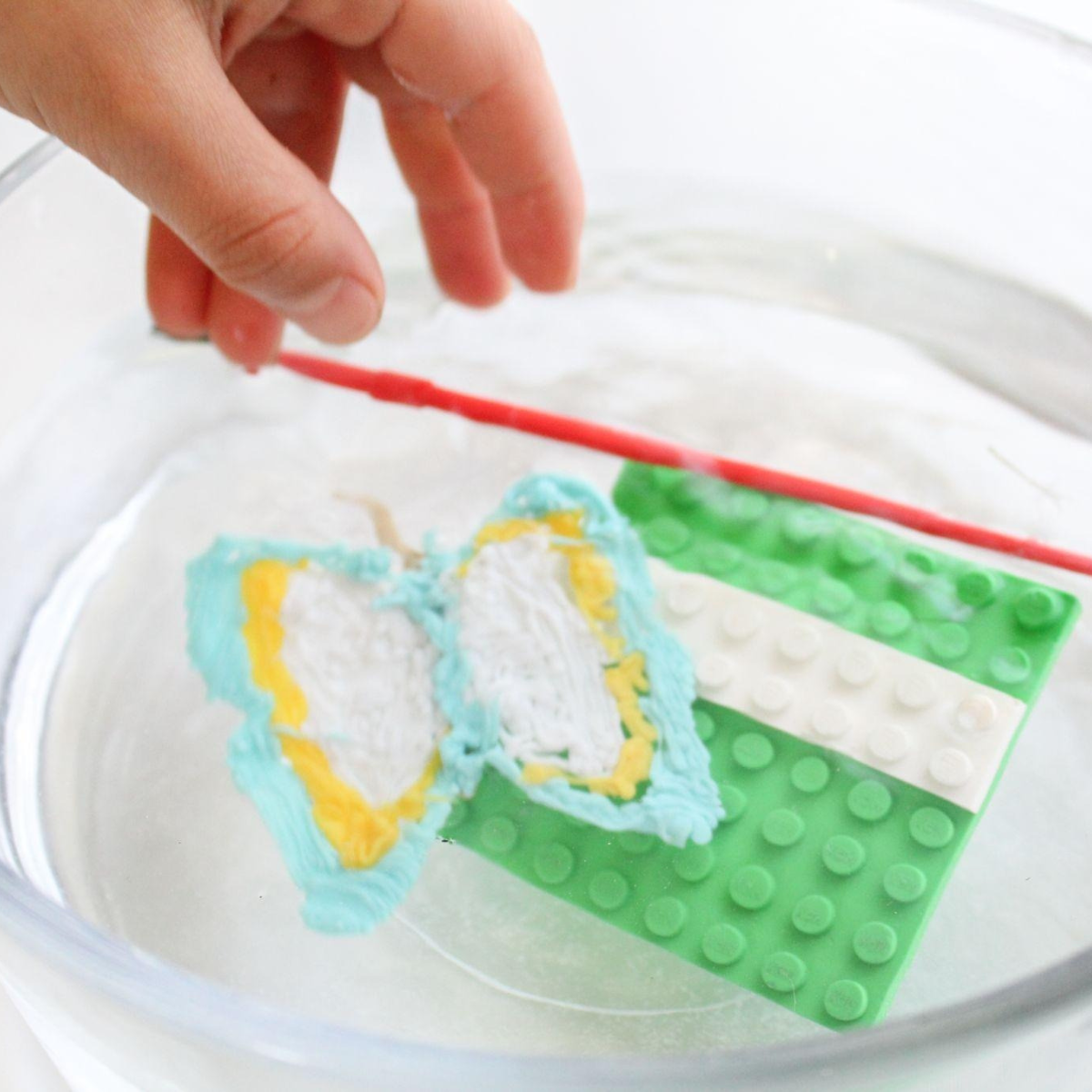
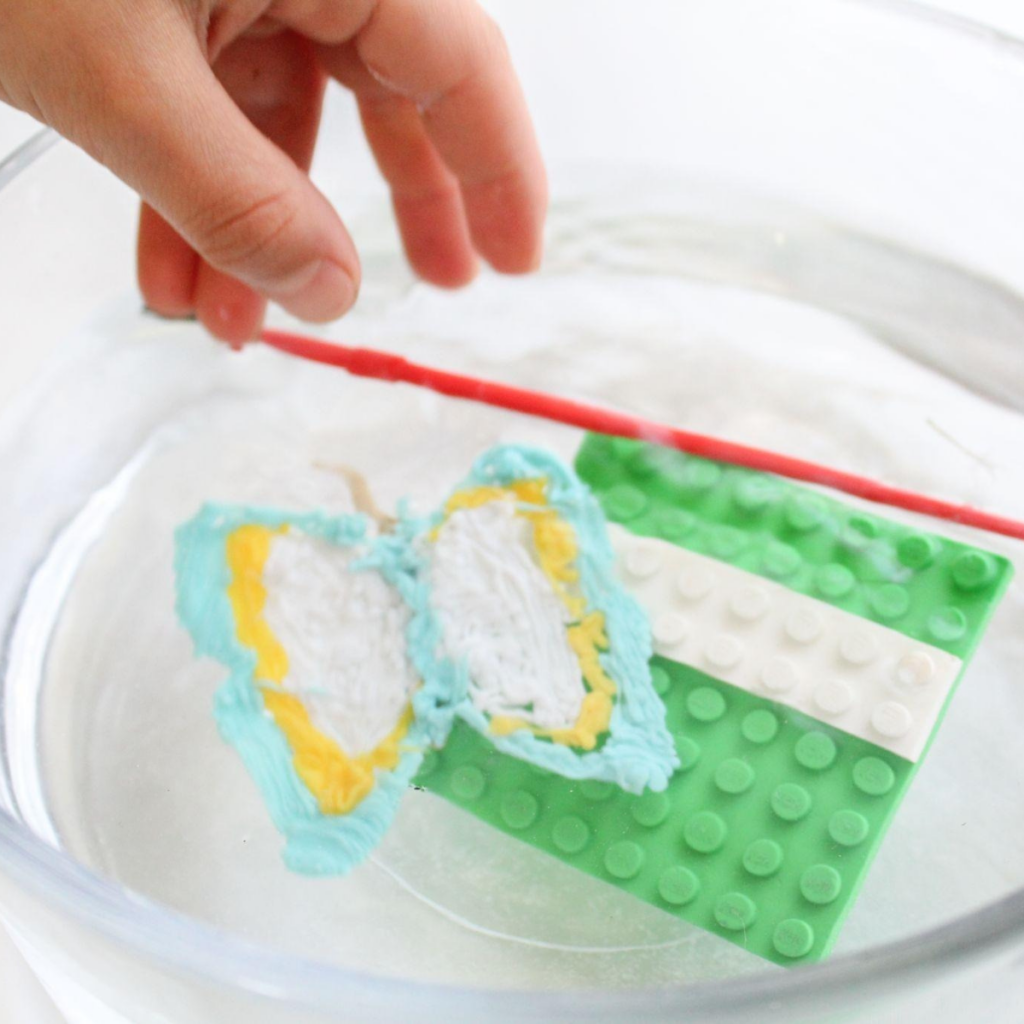
If you’re looking for a last-minute experiment to keep the kids busy, “Sink or Float” is always a great, free option. This activity introduces children to the concept of density. Objects that are less dense than water will float, and those that are more dense than water will sink.
My kids always surprise me with their predictions during this one. Somehow the object that seems most obvious is usually the one that sparks the biggest debate around our kitchen table.
Supplies:
- A large bowl (preferably glass so kids can see inside)
- Water
- A variety of items, such as Legos, rubber ducks, paper, and measuring cups
Step One: Fill a large bowl, tub, or sink with water, and place your items nearby.
Step Two: Before placing each item in the water, have your children guess whether the item will sink or float. See how many predictions were correct!
Project 2: Nature Walk Discoveries (Outdoor Science Projects for Kids)
Summer is a time when your kids are naturally outdoors, so why not make playtime double as a learning opportunity? A nature walk is among the easiest (and cheapest!) outdoor science projects for kids.
I love this activity because it doesn’t feel like school. Most of the time the kids think they’re just exploring, but before long they’re asking questions about insects, animal tracks, leaves, and rocks without any prompting from me.
If you’re working on building patience alongside curiosity this summer, this article on how to teach your children patience is worth a read alongside your outdoor routines.
Supplies:
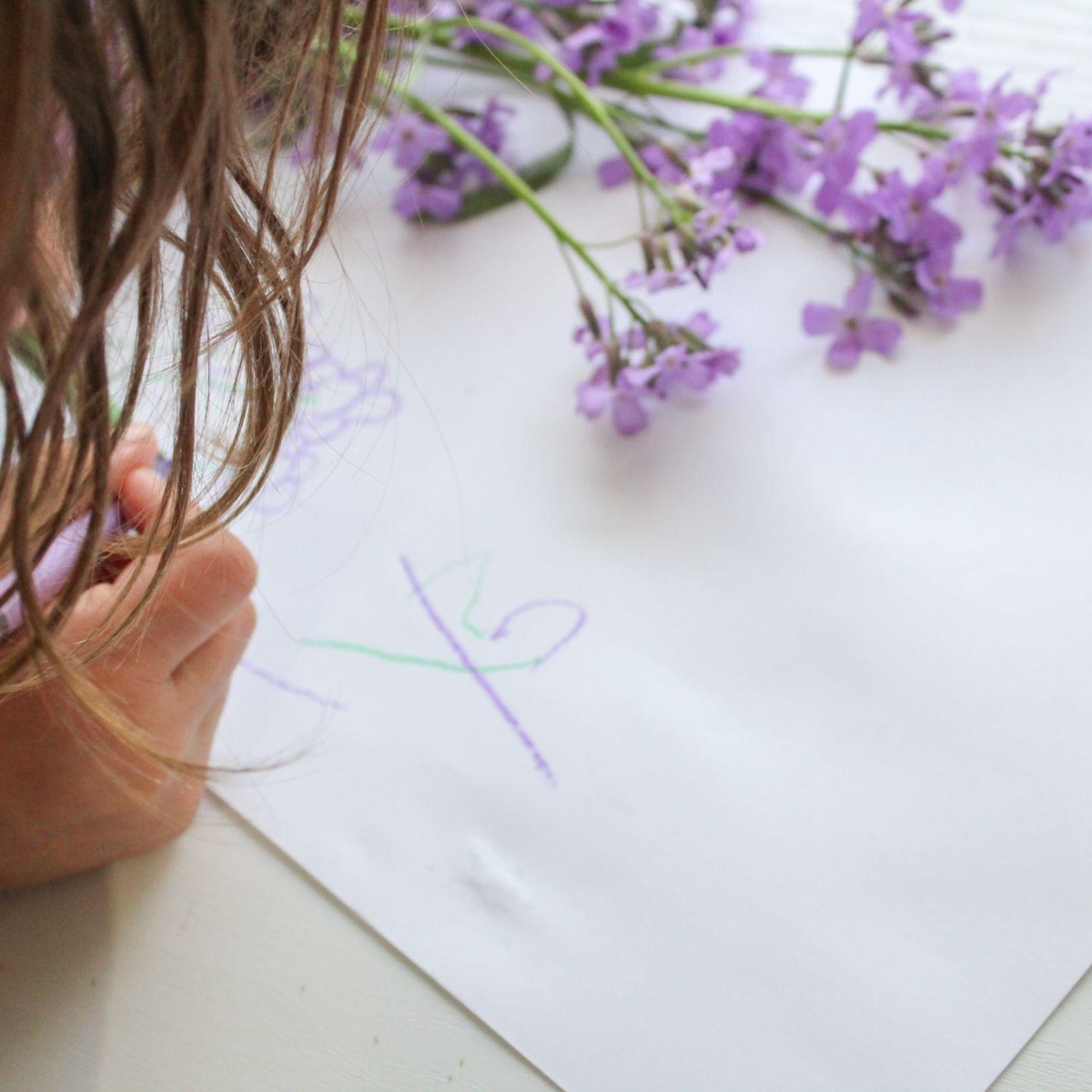
- One notebook or nature journal (a piece of paper works just fine) per child
- Crayons or pencils
- Magnifying glasses (you can often find plastic ones at Dollar Tree)
Step One: Choose a place to explore, like your backyard or a nature trail. Give each child drawing materials and a magnifying glass (if using).
Step Two: Choose an area of study, like birds, leaves, or rocks. Encourage each child to record patterns, textures, and surroundings.
Step Three: At the end of your time, gather for a discussion. What did your children observe? What questions do they have? Leave space for deeper learning, as your children will create many rabbit trails!
Don’t be surprised if your 20-minute nature walk turns into an hour-long adventure. Some of our best science conversations have started because one child spotted something interesting and everyone else had to stop and investigate.
Project 3: Build a DIY Weather Station (Budget-Friendly Science)
Summer is the perfect time to explore weather patterns and learn more about your region. This hands-on activity will help your kids record data as meteorologists do. Save money by using recyclables and grab markers, rulers, and paper from the dollar store.
I like to incorporate this one over a week or two so we can track the different weather patterns (we live in New England and the weather is NEVER consistent and SUPER fun to observe).
You’ll need:
- An empty plastic bottle or jar
- Ruler
- Marker
- Notebook or paper, for tracking results
- Scissors
- Tape
- A stick or straw
Step One: If using a plastic bottle, cut the top off and place it upside down in the bottle, like a funnel. If using a jar, proceed to the next step.
Step Two: Use a ruler and a permanent marker to add inch markings along the side of the bottle or jar to create a rain gauge.
Step Three: Cut a long, thin strip of notebook paper. Tape it to a stick or straw. Alternatively, you can use a piece of ribbon if you have it on hand. This is your wind tracker, and your strip of paper or ribbon will show wind direction and speed.
Step Four: Set your rain gauge and wind tracker in an area where wind and rain tend to hit. Each day, record observations such as wind speed, cloud types, and rainfall. After a few days, your children will have enough data to create a historical forecast.
Project 4: Building Simple Machines
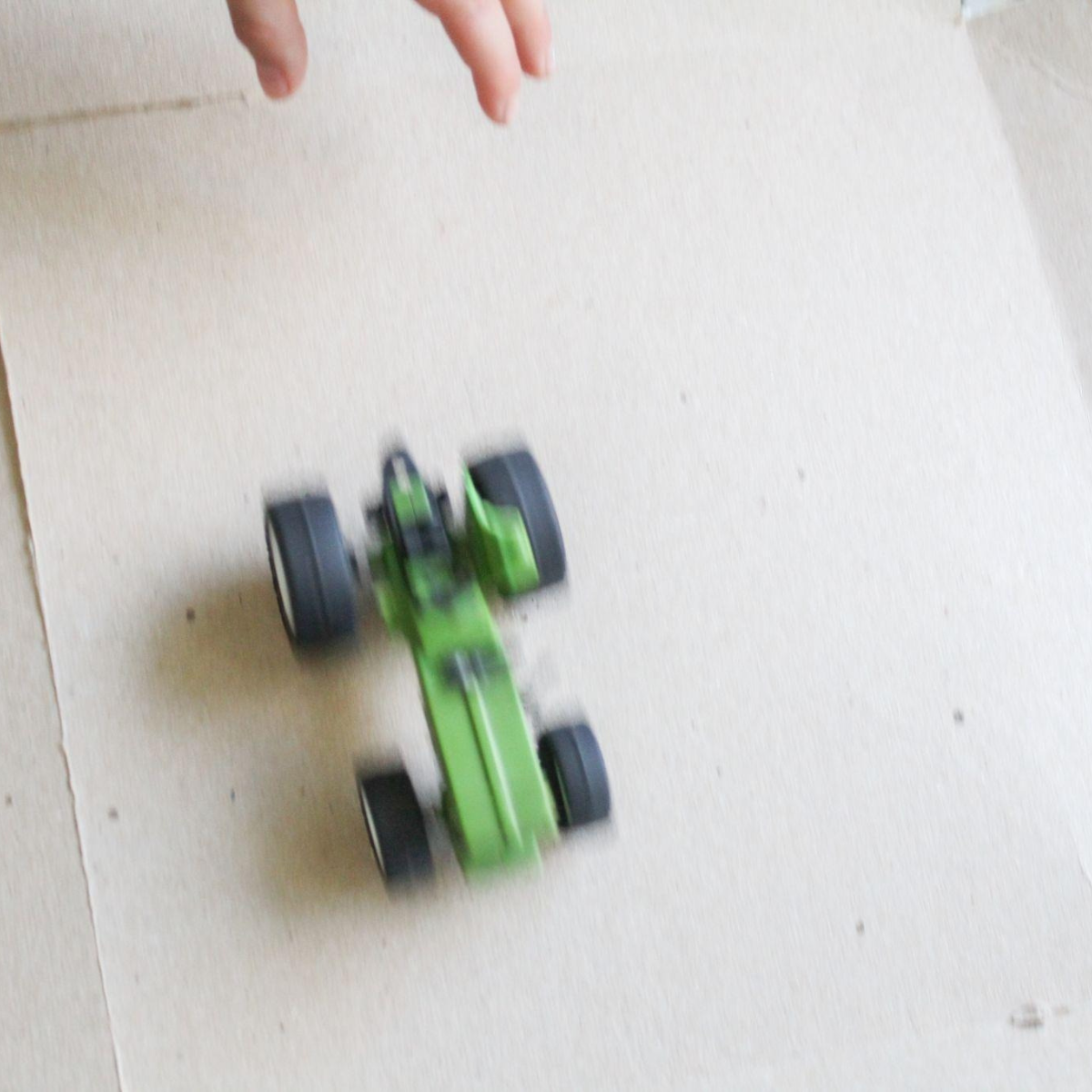
This experiment uses pieces of cardboard to create an inclined plane, which makes objects move faster.
It’s one of our favorite low-cost science projects because the only supplies you need are things most families already have in the recycling bin. This is one of those activities that looks incredibly simple at first, but somehow ends with kids testing every toy they own down the ramp to see what happens.
You’ll need:
- Cardboard pieces
- Books or boxes
- Toy cars, balls, or other things that roll
- Timer (a phone timer works great)
- Notebook to record results
Step One: Lean a piece of cardboard against books or boxes to create a ramp.
Step Two: Gather toy cars, balls, or other rolling objects. Ask your children which object they think will move the fastest or go the furthest.
Step Three: Take turns rolling objects down the ramp and timing them. See whose predictions turned out to be correct!
Tips for Making These Projects Actually Work
Creating easy science experiments for summer will keep your students learning all year long in a low-pressure environment. Here are some tips to help you craft a meaningful experience.
Keep supplies simple: Start with what you have around the house. Cardboard, paper, and drawing utensils go a long way.
Involve the entire family: You can save time and money by including both older and younger children in experiments. One of my favorite things about science activities is that everyone can participate at their own level. On days when science feels like a stretch, Summer Crafts For Kids is a good backup that still keeps hands busy and brains working.
Adjust your expectations: Expect that experiments will be a little messy, that you’ll get pushback at times, and that sometimes things won’t go the way you planned. Sometimes an experiment that I think will completely capture their attention lasts about 15 minutes before they move on to something else. Other times, an activity I almost skipped becomes the one they’re still talking about days later.
Get curious: Ask your children open-ended questions and leave time for lots of discussion.
Summer science does not need to break the bank or be Pinterest-perfect to be impactful. In fact, some of the things your kids will remember most can happen with items you already have on hand. Start with just one idea a week and see where your child’s curiosity leads you. With these ideas in your back pocket, you’ll have your best summer yet. If you want to mix in some non-science activities on lighter days, these Summer Schedule Cards For Kids are a great way to keep the day feeling structured without locking everyone in.
Frequently Asked Questions
Some of the best affordable summer science projects include kitchen science experiments like “Sink or Float,” nature walks, DIY weather stations, and simple machines like cardboard ramps.
The best time to start doing at-home science experiments is now, using items you already have on hand. Turn Lego structures into a STEM lesson on building, try mixing oil and water, or simply watch the clouds form shapes. This approach is especially helpful for families in rural areas who don’t want to make the extra trip into town.
Most low-cost science projects can be done with household supplies like baking soda, vinegar, and food coloring. You can use recyclables like cardboard, plastic bottles, glass jars, and cans. If you want to go the extra mile, add tape and some fun drawing utensils.
Yes. Summer science projects give children a vantage point that they don’t receive from videos or textbooks. They can actively participate in the learning process instead of viewing from an outside perspective. For Southern and Midwest families, summer brings interactive opportunities through gardening, hiking, and outdoor play.
Summer slumps can be avoided by making learning fun. Affordable summer science projects let your kids learn in a fresh way that still feels natural to your family. Families in suburban areas can take advantage of trails and parks, while rural families can explore wide-open spaces.